






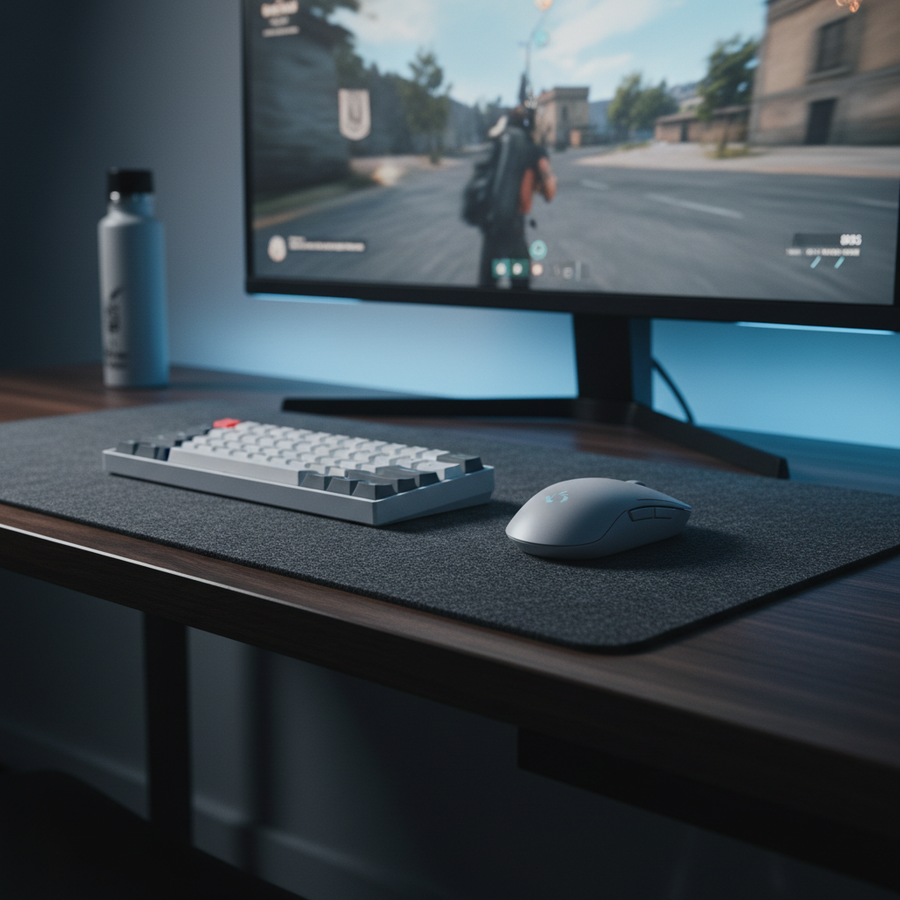
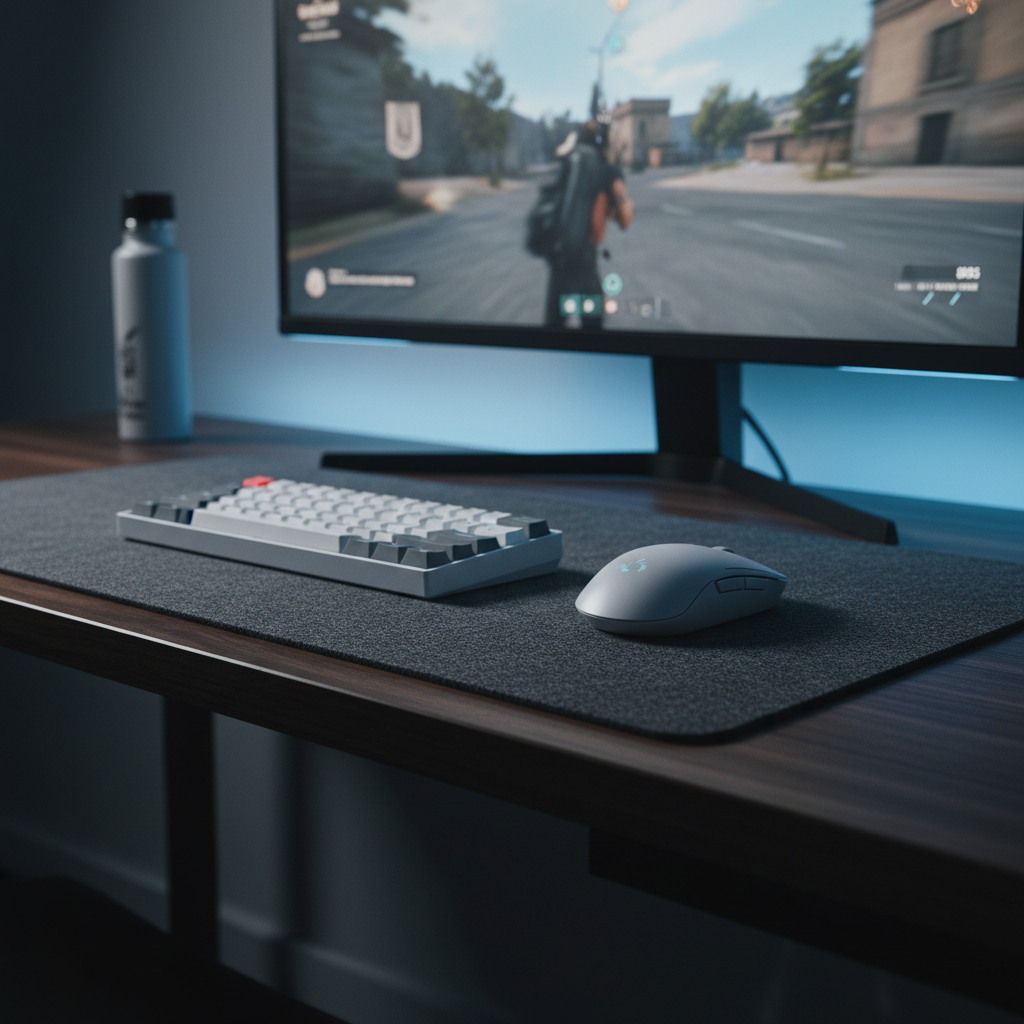
Magnetic Flux and Metal Desks: Preventing Sensor Signal Drift
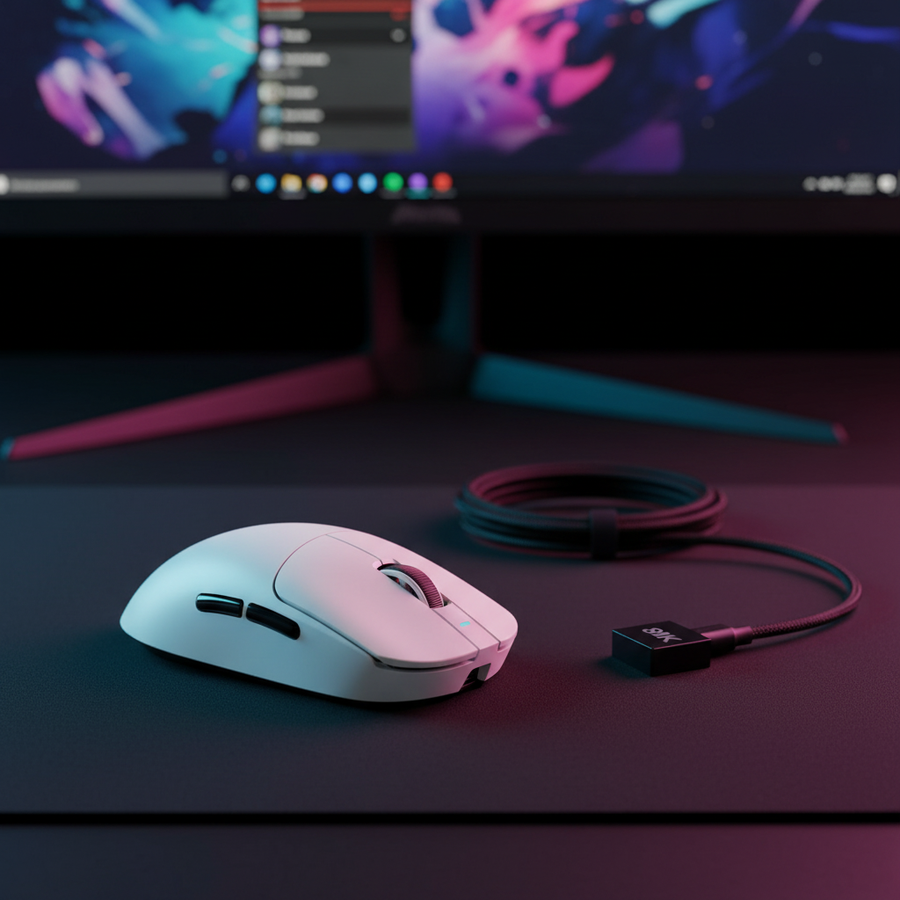
Covers eddy currents, magnetic shadowing, 8KHz polling interference, and practical solutions like the 5cm air gap rule for stable gaming.

Country
Language
Explore practical buying guides, setup ideas, and product tips from the latest articles.
Featured
Covers eddy currents, magnetic shadowing, 8KHz polling interference, and practical solutions like the 5cm air gap rule for stable gaming.
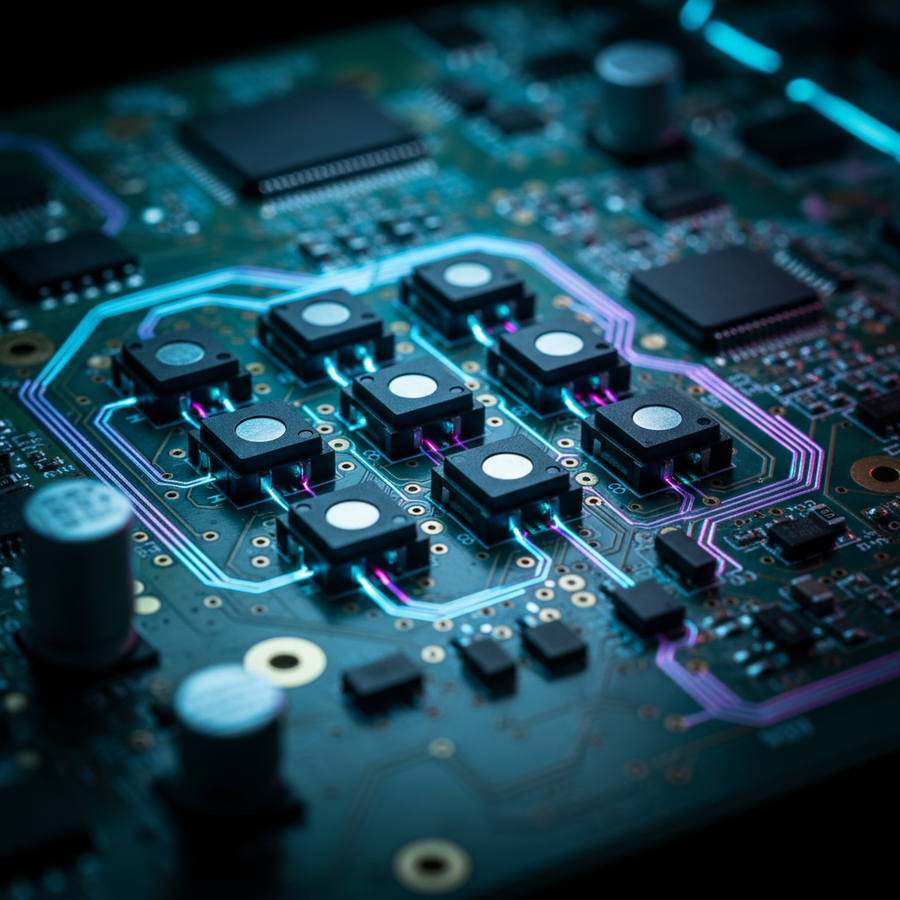
Covers the physics of drift, the 30cm EMI rule, 8000Hz polling impact, and how to distinguish normal tolerance from hardware faults for support teams.
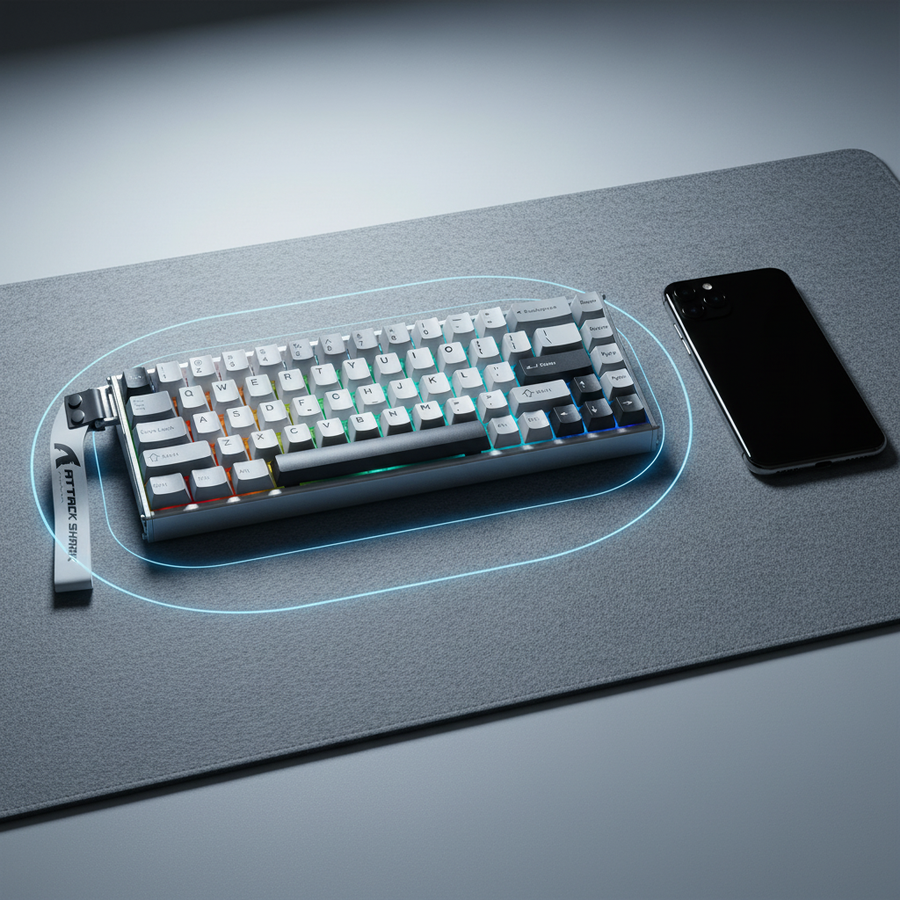
Covers static magnetic interference, Rapid Trigger latency scenarios, and ergonomic strain prevention for Hall Effect keyboard users.
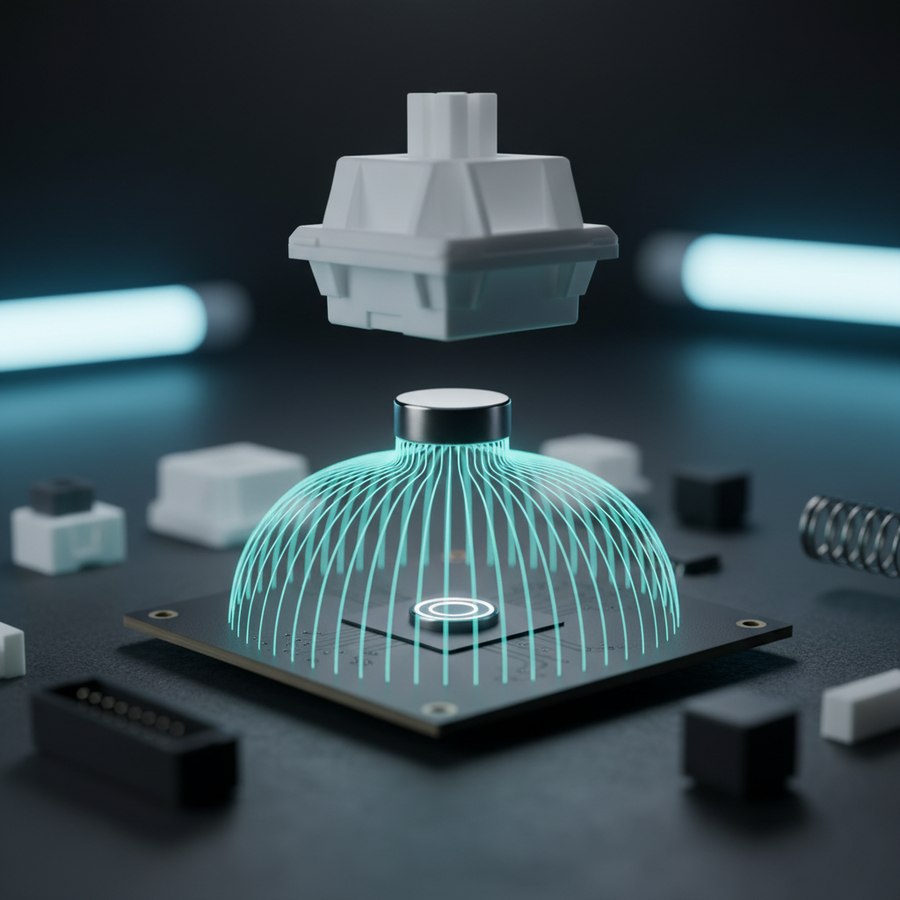
Covers thermal drift, EMI, latency impact, and compliance for Hall Effect keyboards. Includes maintenance schedules and the 20-minute rule for cali...
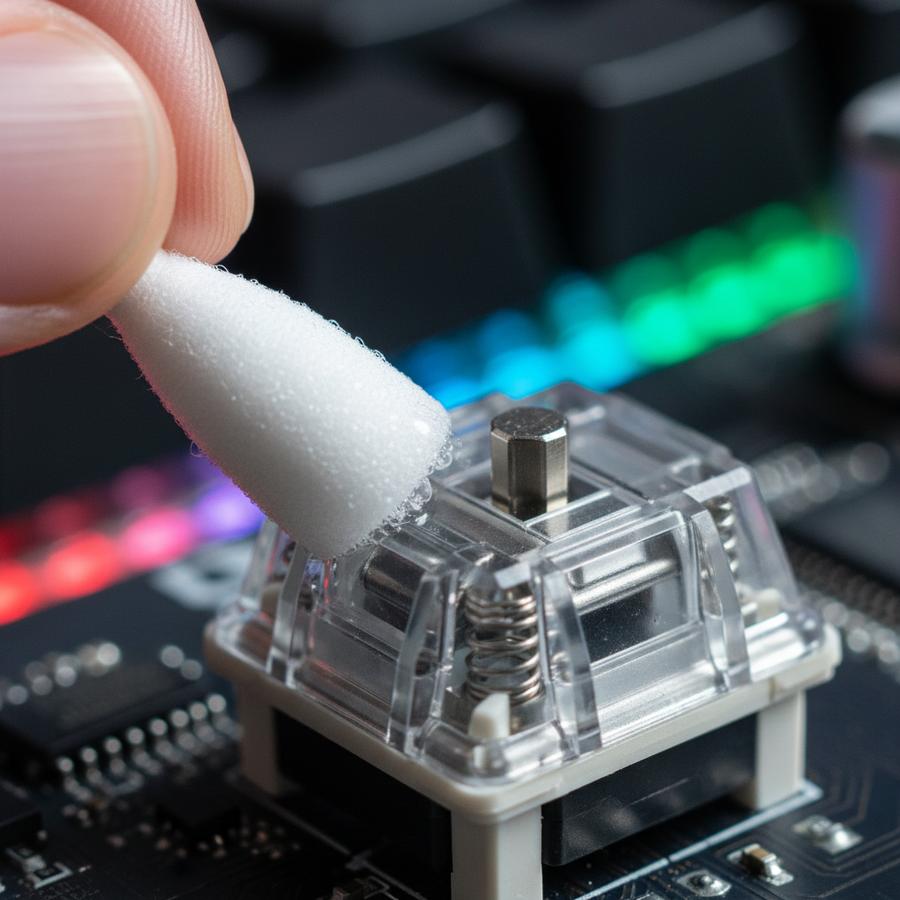
Covers cleaning protocols, the 50-100 keypress recalibration rule, and the impact of high polling rates on sensor performance for DIY maintenance.
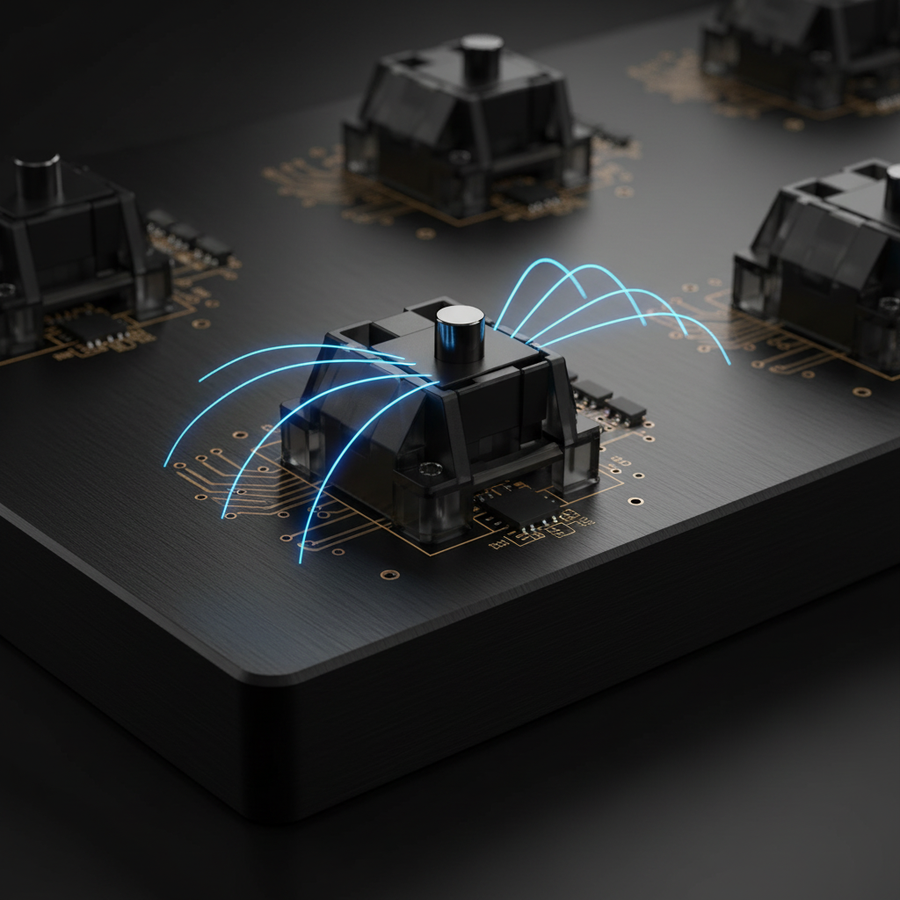
A guide to manual calibration for Hall Effect sensors when auto-calibration fails. Learn the protocol to restore 1:1 accuracy and reduce latency.
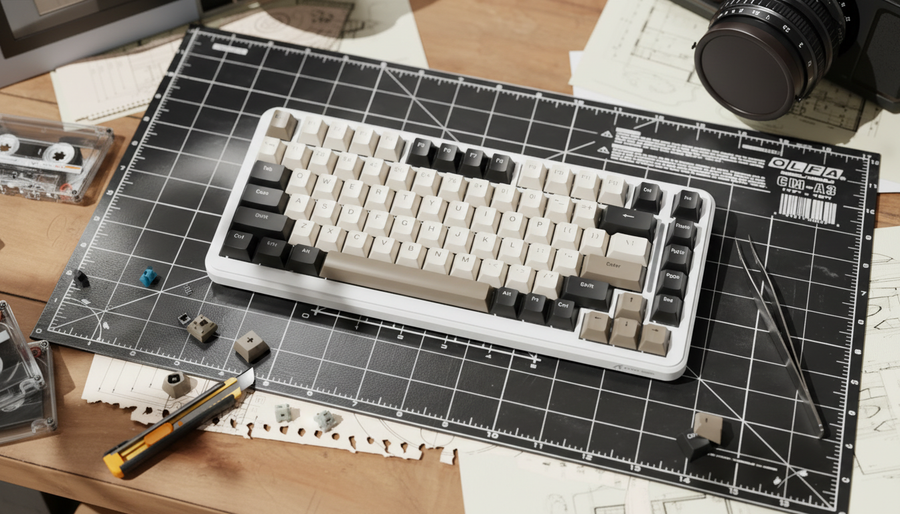
Covers eddy current damping, sensor drift, and provides an SOP for safe acoustic modding without latency loss.
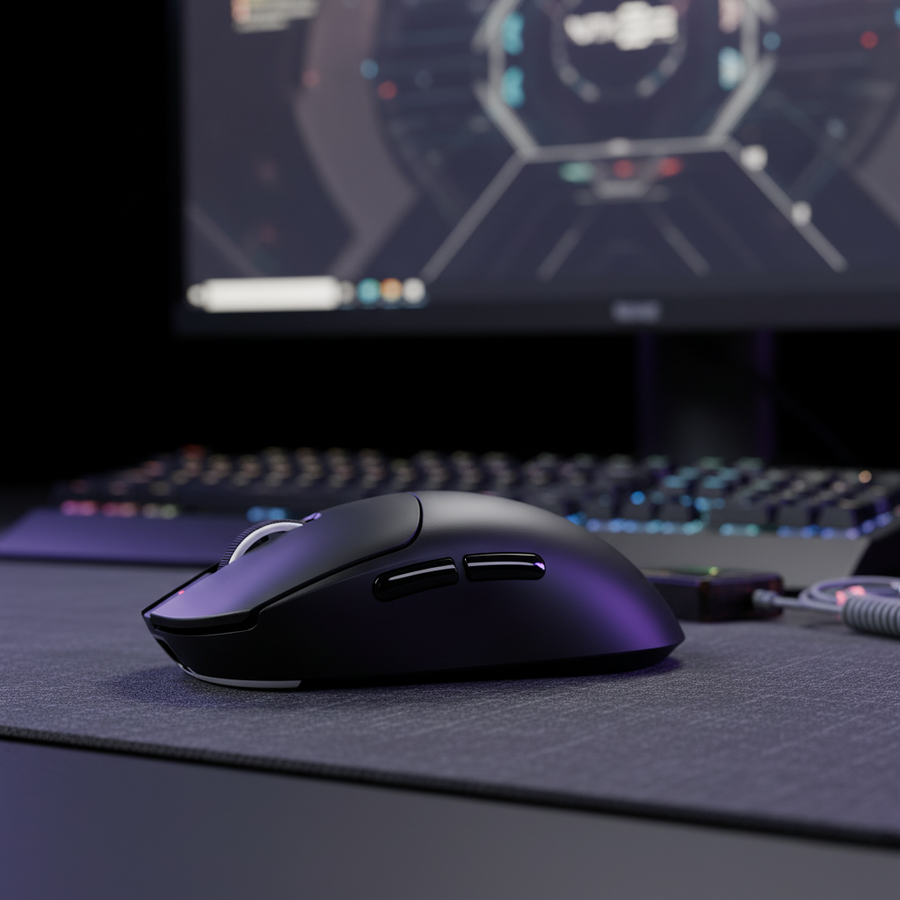
A guide to managing electromagnetic interference for multiple magnetic peripherals. Learn zoning techniques and calibration to maintain peak gaming...
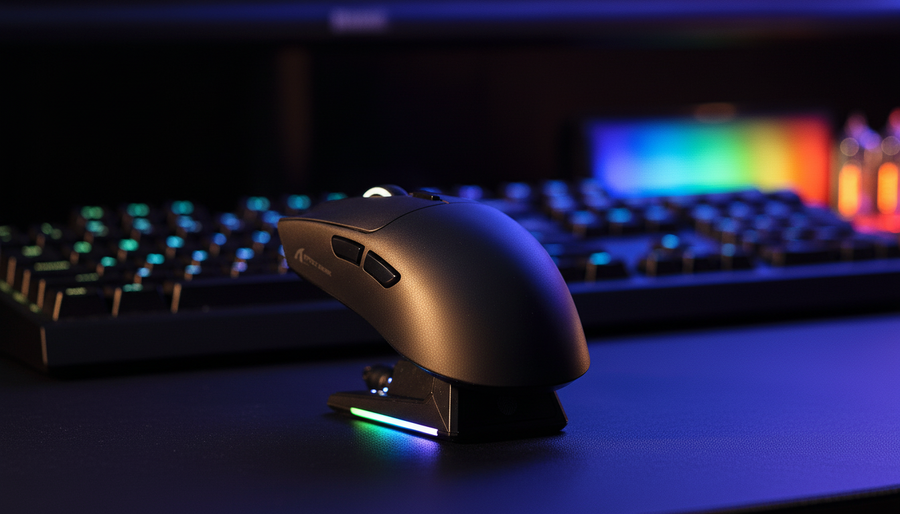
Covers material-specific care for ABS plastic, magnesium alloy, and carbon fiber, plus protocols to maintain sensor performance and prevent degrada...
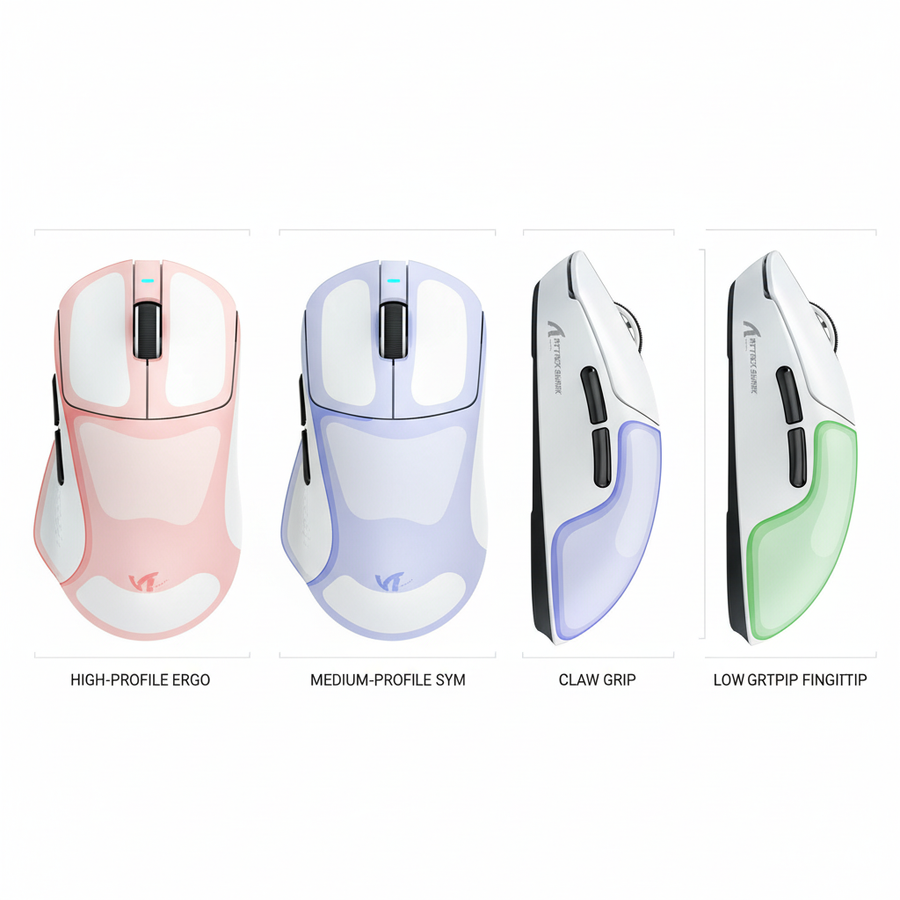
Covers hump placement, side-wall curvature, recalibration for ultralight mice, 8K polling physics, and safety certifications for joint health.
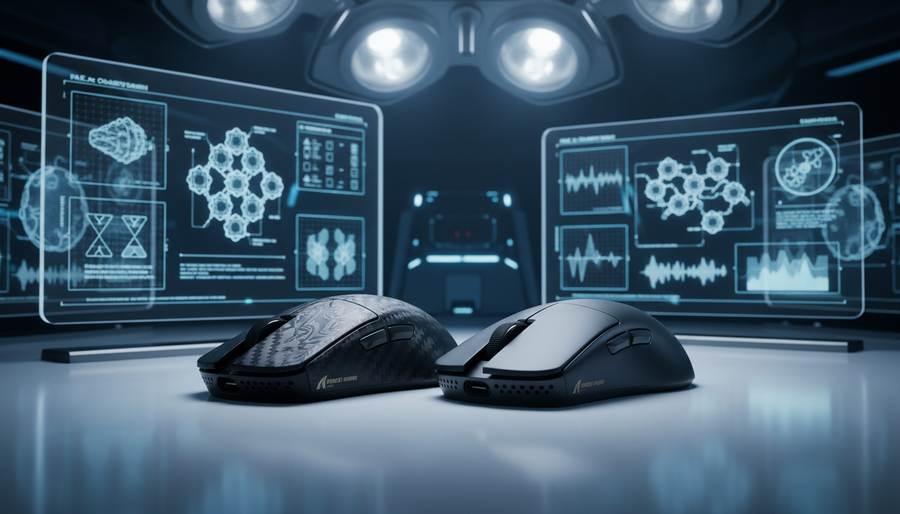
Covers material properties, RF grounding, polling rate demands, and ergonomic shifts for competitive gaming peripherals.
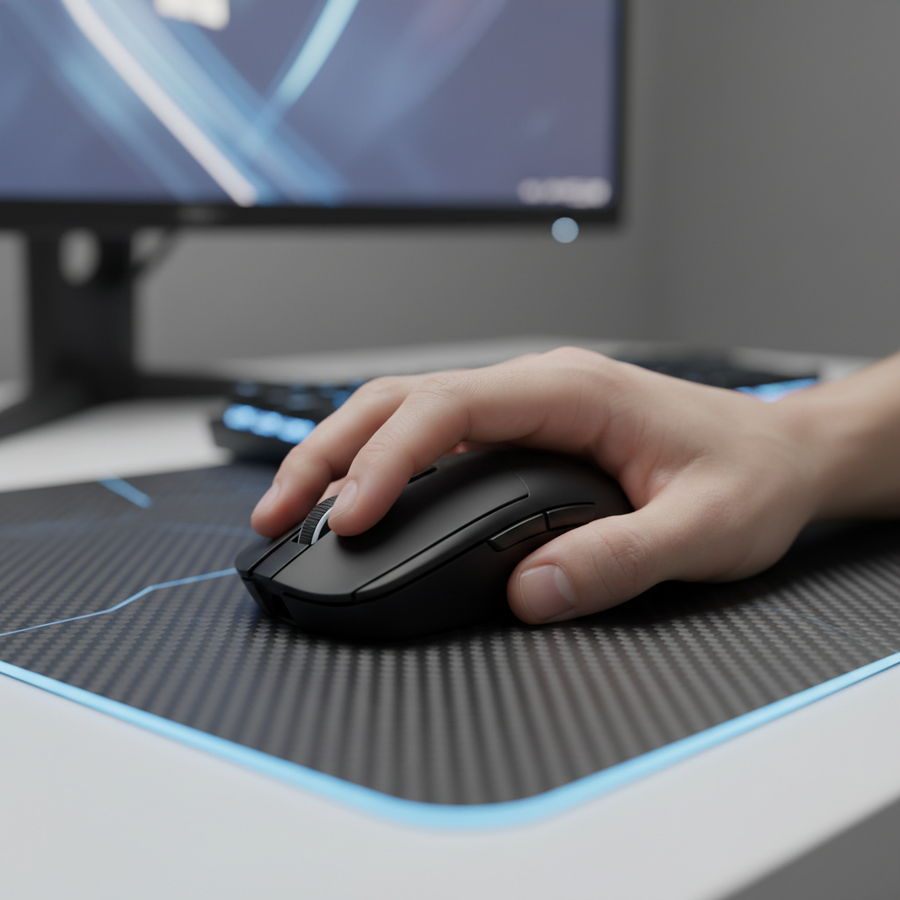
Covers grip biomechanics, sensor alignment, and hardware specs like carbon fiber mice for optimizing stability and agility in games.
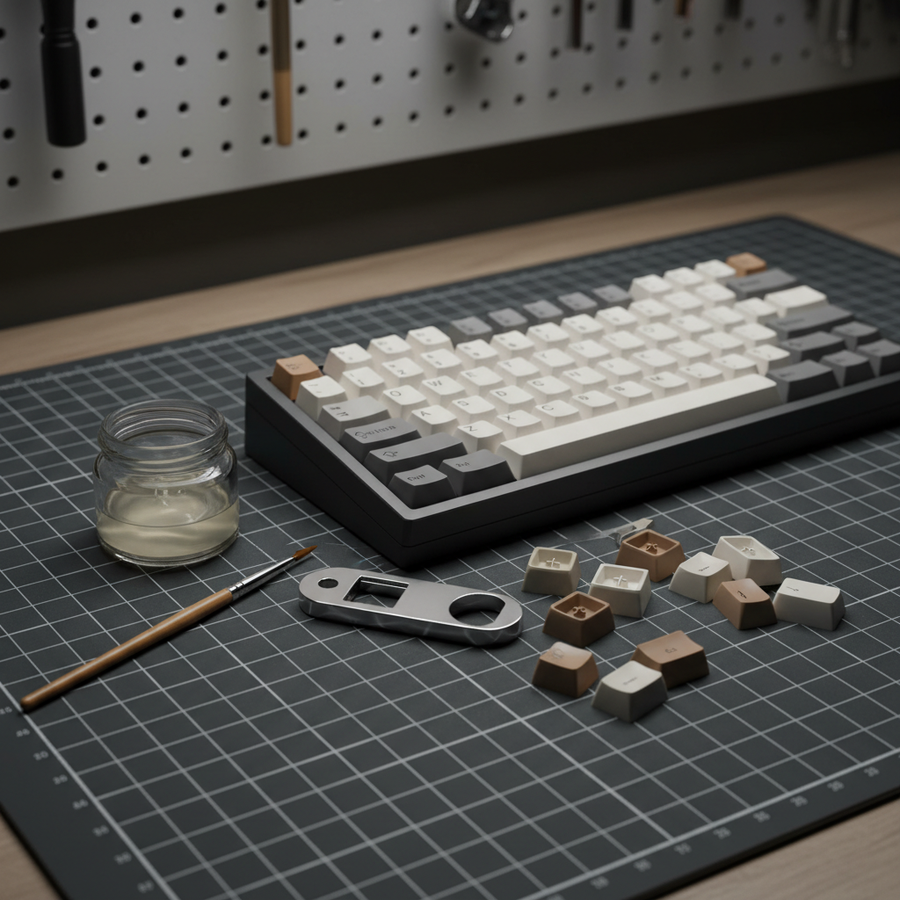
Covers cost-effective mods like holee mod and PE foam layering to transform entry-level keyboards into premium-feeling peripherals.
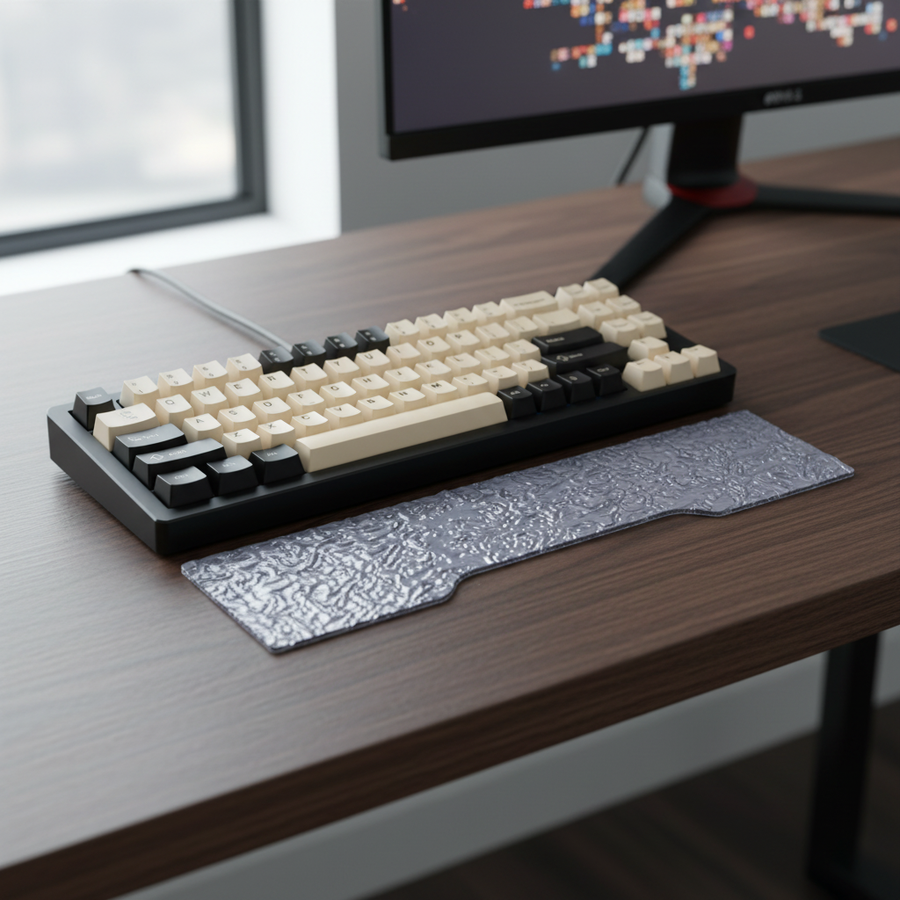
Covers switch selection, sound dampening techniques, and high-polling-rate hardware checks for three distinct usage environments.
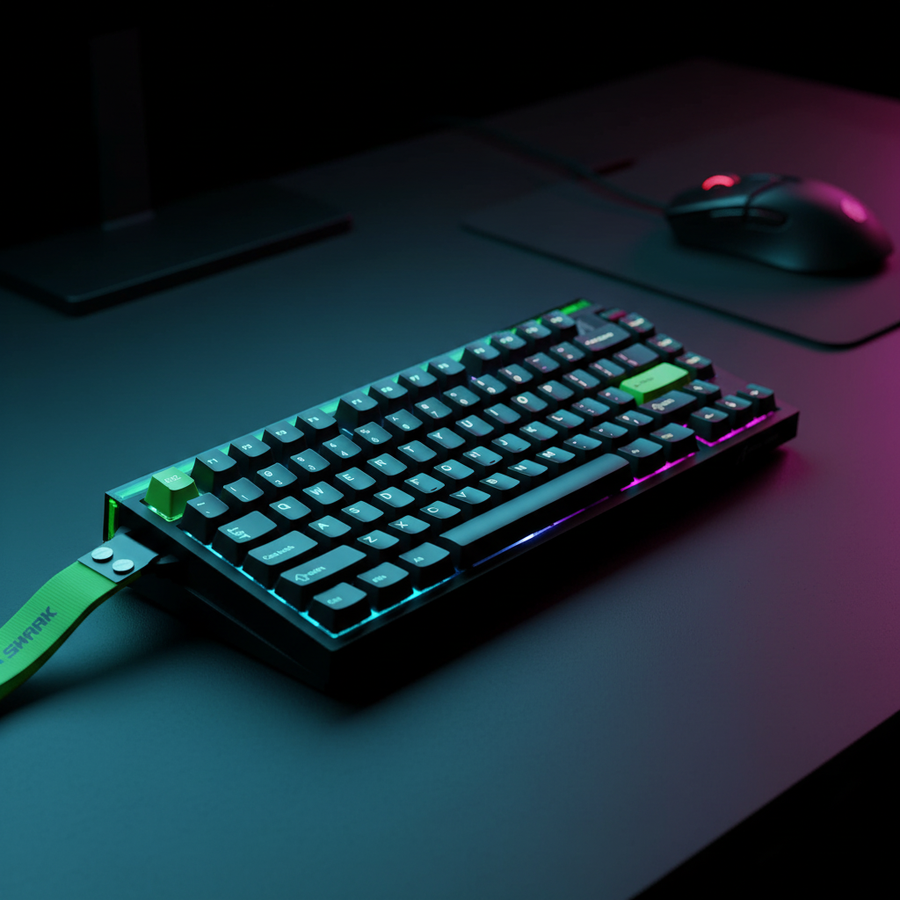
Covers magnetic actuation physics, tiered profile setups, synergy with 8000Hz polling, and sensor maintenance.
Covers report interval physics, DPI vs. IPS math, USB host isolation, and CPU C-state optimization for predictable, low-latency gaming.


