


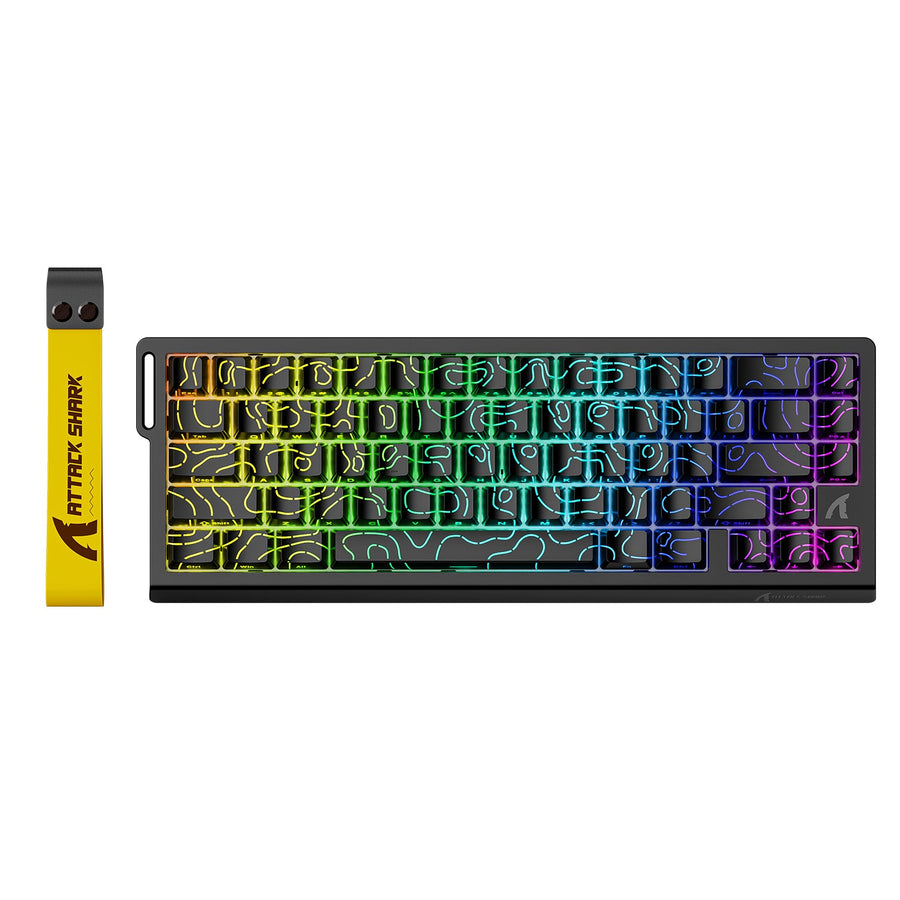
The short version: choosing between a budget Hall Effect keyboard and a Wooting usually comes down to software maturity, customization depth, build quality, and long-term support confidence—not just the Hall Effect tech itself. A more affordable board makes sense if you want the core gaming features at a lower price point, but Wooting remains the leader if you want a highly polished setup that requires minimal guesswork.

What Buyers Actually Care About
When shoppers compare budget Hall Effect (HE) keyboards to Wooting, they aren't asking if both use magnetic switches; they’re asking which one is easier to configure, which one feels more premium, and which one will hold up after the initial excitement wears off. Hall Effect keyboards use magnetic sensors to allow for adjustable actuation and Rapid Trigger functionality, which is the primary reason to shop in this category (PC Gamer’s Hall Effect keyboard overview).
The real question isn't just "does it have HE?" but "how well does it execute HE?" Budget boards can handle the basics, while Wooting serves as the industry benchmark for software polish. If you’re shopping for your first HE board, that difference in the user experience often matters more than spec-sheet bragging rights.

Where Budget HE Boards Cut Costs
Software and Tuning
This is usually the biggest tradeoff. Wooting’s Wootility software is the gold standard because it provides a mature, reliable interface for adjusting actuation, Rapid Trigger, and per-key settings. Budget boards often provide the basic tools you need, but the interface, firmware stability, and feature depth are usually more limited. If you just want a "set it and forget it" experience, a budget board may be plenty. If you like to tinker, the gap becomes much more noticeable.
Build and Materials
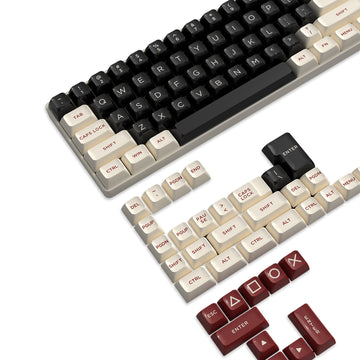
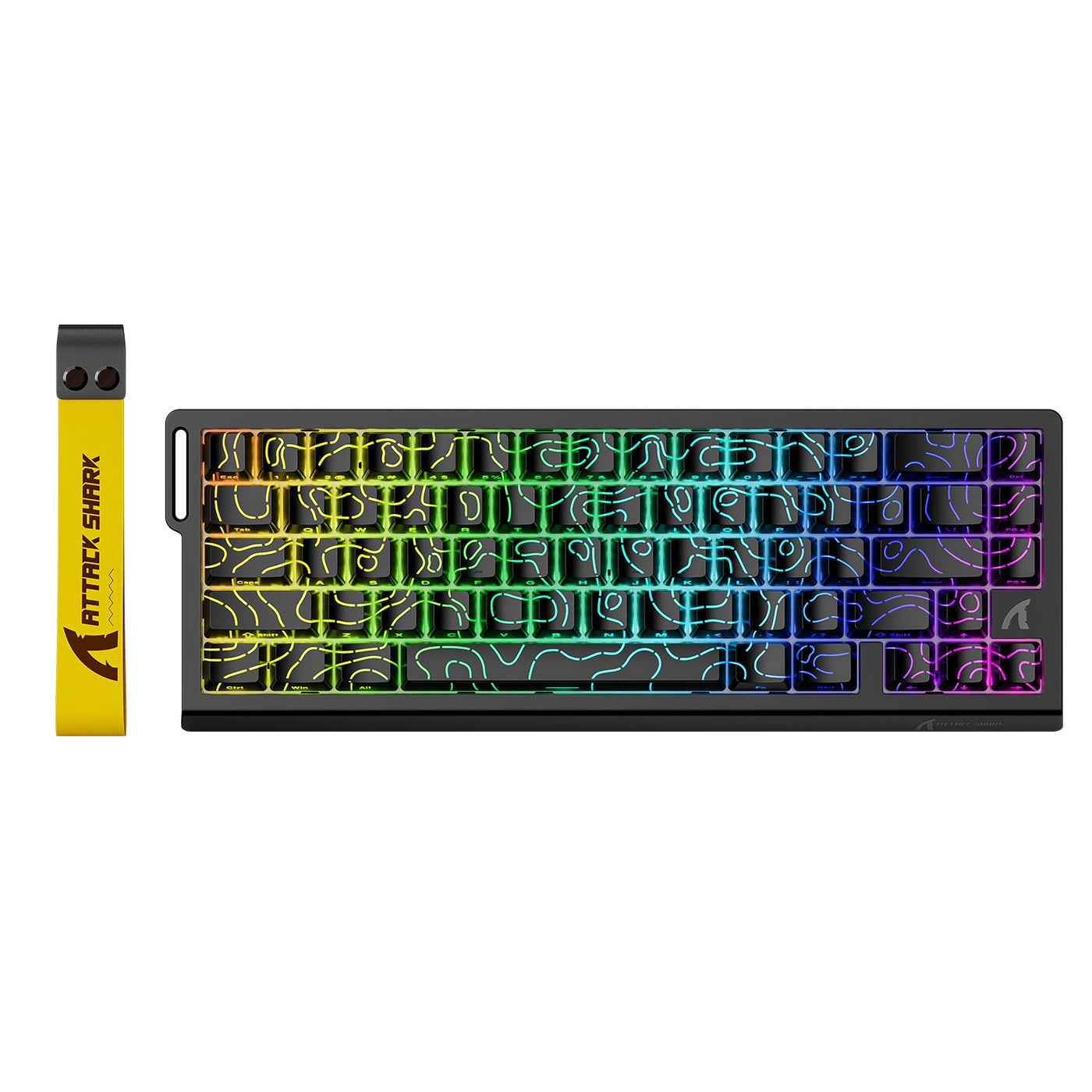
Build quality varies significantly in the budget space. Some lower-cost boards use premium materials like CNC aluminum, so price isn't always a direct indicator of feel (Keeb-Finder’s Attack Shark X68 HE vs Wooting 60HE comparison). When shopping, evaluate the chassis, stabilizers, keycaps, and layout independently of the price. A budget board can feel surprisingly high-end, but don't assume a lower price tag automatically means a cheaper typing experience.
Latency and Responsiveness
The performance gap is often oversimplified. Independent testing shows that some budget HE boards perform remarkably close to premium options, with some models landing in the low-millisecond range for single-key latency (Level Up Blogs’ Redragon K673 HE review). That is more than enough for competitive gaming, though it doesn't necessarily mean every budget board matches Wooting’s consistency across every firmware state or profile.
For most, the real issue isn't a massive speed gap, but consistency. If your settings are stable and the board behaves predictably, the performance difference is negligible. If the software is buggy, the raw hardware speed matters less.
Support and Updates
This is where the premium price tag often pays off. Wooting’s value lies in the confidence that their software, documentation, and firmware updates are reliable and well-supported. Budget brands can be more hit-or-miss, and reports of driver friction or setup headaches are common. Consider this a "support confidence" check rather than a universal rule for all budget HE boards.
If you want a plug-and-play experience, that reliability is a major factor. If you enjoy experimenting and don't mind a bit of troubleshooting, you might be perfectly happy with a budget option.
Budget Hall Effect vs. Wooting at a Glance
| Buying Factor | Budget Hall Effect Keyboard | Wooting |
|---|---|---|
| Price tier | Lower entry cost; value-focused | Premium pricing |
| Software maturity | Functional for core settings; can be basic | Industry benchmark for tuning |
| Tuning depth | Covers basics; less granular ecosystem | High-level, granular customization |
| Build feel | Varies from basic to surprisingly solid | Consistently refined |
| Responsiveness | Very fast, but varies by model | Highly consistent reference point |
| Support confidence | Model-dependent; check reviews | Reliable, long-term support |
| Best fit | First-time buyers, value seekers | Serious competitors, power users |
Which Buyer Are You?
- The First-Timer: If you mainly want to test out Rapid Trigger or adjustable actuation, a budget Hall Effect keyboard is a great entry point. You get the core benefits without paying extra for software depth you might not need.
- The Competitive Player: If you play FPS games seriously and rely on your keyboard as a primary input tool, Wooting is easier to justify. Software reliability and predictable performance are critical when you’re gaming daily.
- The Value Seeker: If you have a strict budget, don't feel pressured to chase the most famous name. Just verify that the software is intuitive enough for your needs, as that’s where most users encounter regret.
- The Power User: If you tweak your settings constantly, prefer a mature workflow, and dislike troubleshooting, look toward Wooting. The extra cost pays for reduced friction and a more refined experience.
Rule of thumb: Choose a budget HE board when your goal is to get the core experience for less money. Choose Wooting when you want a long-term competitive tool that "just works." If you want to compare layouts, our 65% HE options and 75% HE options are great places to start.
Final Checks Before You Buy
Before you pull the trigger, do these four things:
- Check the software: Look for screenshots or demos to ensure the actuation and Rapid Trigger controls aren't overly complicated.
- Verify the layout: Make sure the physical size and connectivity options fit your desk space.
- Research support: Check if the brand provides clear, accessible firmware updates and documentation.
- Evaluate the value: Decide if the price difference is worth the extra polish. If you want a compact, value-oriented starting point, compare the K85 rapid trigger board against the premium path.
Final Takeaway
The choice between a budget Hall Effect keyboard and a Wooting comes down to value versus refinement. Budget boards deliver the core HE experience at a great price, and many are surprisingly well-built. Wooting stands out for those who prioritize software maturity and a seamless, long-term experience. Browse our HE keyboard options to see which fits your setup and your budget.
FAQs
Is a Budget Hall Effect Keyboard Good Enough for Competitive Gaming?
Often, yes. If you care more about Rapid Trigger performance than a polished software suite, you’ll be fine. The main differentiator is whether the board remains consistent under your settings and whether the software is easy to use.
What Differences Matter Most?
Software maturity, tuning depth, and support confidence. Build quality also varies, so look for reviews that mention the feel of the stabilizers and chassis.
Can a Budget Hall Effect Keyboard Feel Close to Wooting?
In day-to-day use, absolutely. The gap typically only appears when you get into deep customization, per-key tweaking, and long-term firmware consistency.
Why Do People Still Pay More for Wooting?
They’re paying for the software ecosystem, reliable updates, and the peace of mind that comes with a proven, long-term product. For a daily competitive tool, that reliability is often worth the premium.
Which Budget HE Keyboard Type Makes the Most Sense First?
Start with the layout you’re already comfortable with. Compact boards are great for FPS players with smaller desks, while larger layouts are better if you need extra keys for work or shortcuts. Narrowing by layout is the fastest way to make your decision easier.